
PERSON’S WITH DISABILITIES DAY & IT’S IMPORTANCE TO AN ENGINEERED BUILT ENVIRONMENT
Adda247
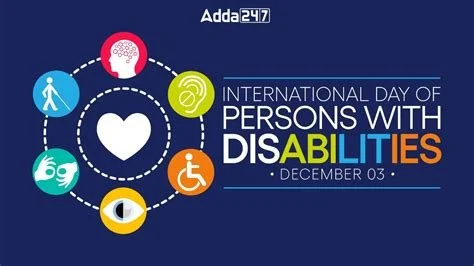
Every year on December 3rd, the world recognizes the International Day of Persons with Disabilities (IDPD). Created by the United Nations in 1992, the idea behind it goes much deeper than a date on the calendar. It’s a chance to pause and acknowledge the millions of people whose lives are shaped—positively or negatively—by the design of the world around them. Over time, this day has become a global moment to celebrate progress, call attention to remaining barriers, and remind everyone that inclusion takes ongoing attention from firms like Millies Engineering Group (United Nations, 1992).
The push for a day like IDPD didn’t appear out of nowhere. It grew out of decades of disability advocacy and activism, especially in the 1970s and 1980s, when people with disabilities around the world were challenging assumptions about what “disability” actually means. This movement helped shift society from seeing disability as a personal limitation to understanding how external factors - environments, attitudes, and systems - often create the real obstacles. When the UN formalized the observance, it was a recognition that the world needed to take these issues seriously—not just medically, but socially and culturally too (United Nations, 2006).
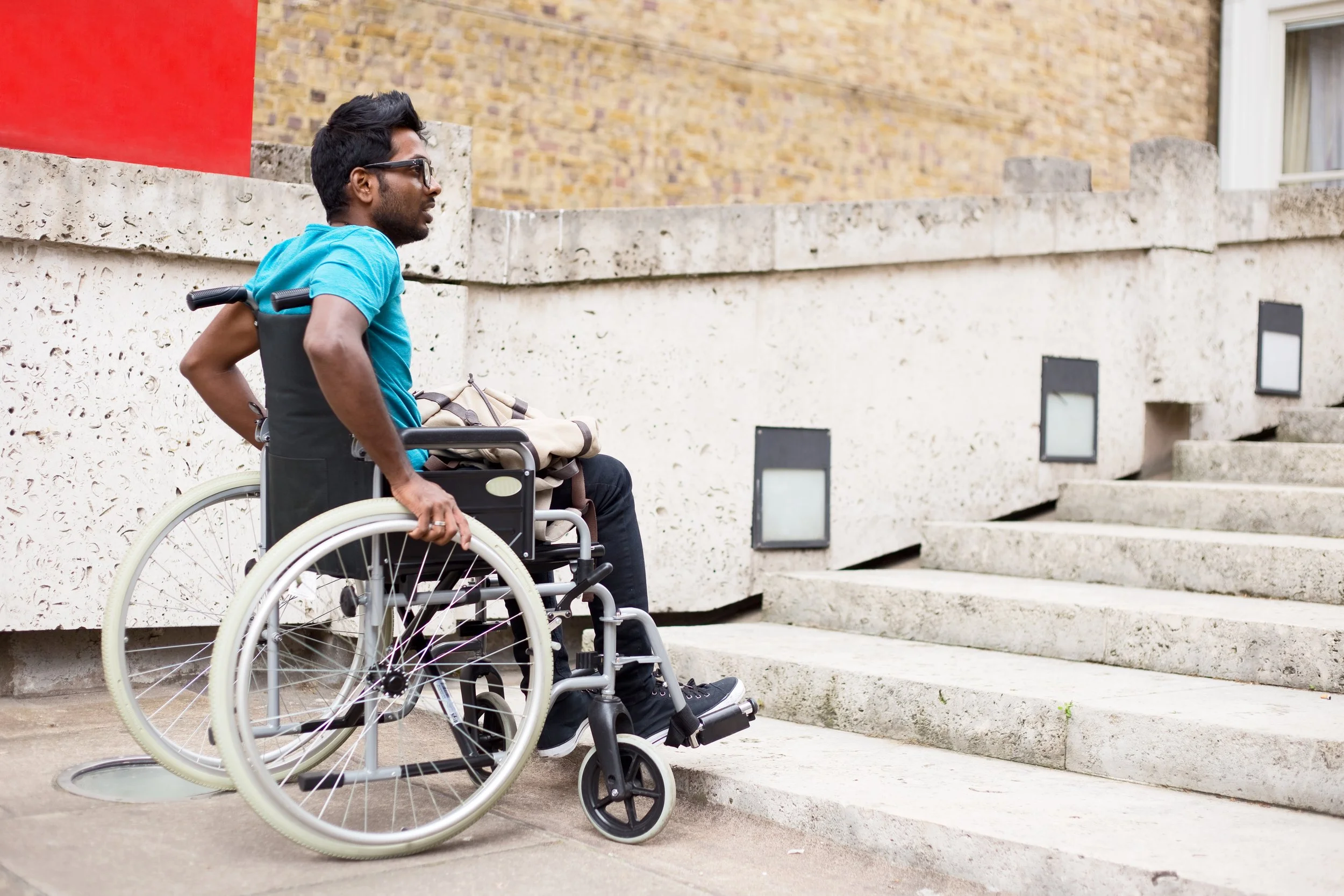
abilitynet.org - showing how the built environment can act at odds with some people
Engineering might not be the first thing people think of when they hear about IDPD, but it’s one of the industries most deeply connected to the day’s mission. Nearly every accessibility breakthrough—from prosthetic limbs to hearing aids to screen readers—exists because someone engineered it. And beyond individual devices, engineers design the infrastructure we all depend on: buildings, roads, public transit, websites, apps. When engineers prioritize accessibility, the world opens up. When they don’t, people are left out. This is why the concept of universal design—creating things that work for as many people as possible—has become so influential (Mace, 1998).
What’s really inspiring is how technology and disability communities have worked together in recent decades. Many of the most meaningful innovations were created because engineers listened to the people who actually use the tools. Think of tactile paving that helps people with visual impairments navigate safely, advanced prosthetics that move with the help of nerve signals, or inviting facades capable of handling any disability. These examples show how engineering can do more than solve problems—it can restore independence, dignity, and joy (World Health Organization, 2011).
In the end, the International Day of Persons with Disabilities is a reminder that accessibility is something we build, intentionally or not. Engineers hold a tremendous amount of power in shaping how people experience the world, and Millies Engineering Group takes that responsibility quite seriously. The history behind IDPD pushes all of us—especially those who design and create—to keep moving toward a future where accessibility is woven into everything we make. Ultimately, inclusion isn’t just a technical requirement.
It’s a human one.
References
Mace, R. (1998). Universal design in housing. NC State University, Center for Universal Design.
United Nations. (1992). International Day of Persons with Disabilities: Resolution 47/3. UN General Assembly.
United Nations. (2006). Convention on the Rights of Persons with Disabilities. UN Department of Economic and Social Affairs.
World Health Organization. (2011). World report on disability. WHO Press.